
The Future of Scottish Highland Cattle: Conservation and Challenges
If you are a lover of Scottish Highland Cattle, you must be aware of the challenges that these majestic animals face. The future of this unique breed is uncertain and requires immediate attention. Despite existing conservation efforts, Scottish Highland Cattle face numerous challenges that threaten their survival as a breed.
In this article, we will delve into the history, importance, and challenges of Scottish Highland Cattle conservation. We will explore breeding obstacles, genetic diversity, public awareness, and future challenges. By the end of this article, you will gain a comprehensive understanding of the significance of Scottish Highland Cattle in the ecosystem and will be better equipped to contribute to their conservation.
Key Takeaways:
- Scottish Highland Cattle faces numerous challenges that threaten their survival
- Conservation efforts are ongoing, but proactive measures are necessary to guarantee continued existence
- Breeding obstacles, genetic diversity, and public awareness are essential factors for Scottish Highland Cattle conservation
- Future challenges pose significant threats and require careful attention to ensure the breed’s survival
- It is crucial to engage the public to raise awareness and support for Scottish Highland Cattle conservation efforts
The History and Importance of Scottish Highland Cattle
Scottish Highland Cattle are a breed with a rich history and a unique set of characteristics that make them a valuable asset to conservation efforts. Originating in the rugged terrain of Scotland’s northern highlands, Highland Cattle are one of the oldest and most distinctive breeds of cattle in the world.
Their thick, shaggy coats help them to survive in harsh climates, and their powerful frames allow them to navigate challenging landscapes with ease. As a result, Highland Cattle have been an essential part of traditional farming practices in the Scottish highlands for centuries.
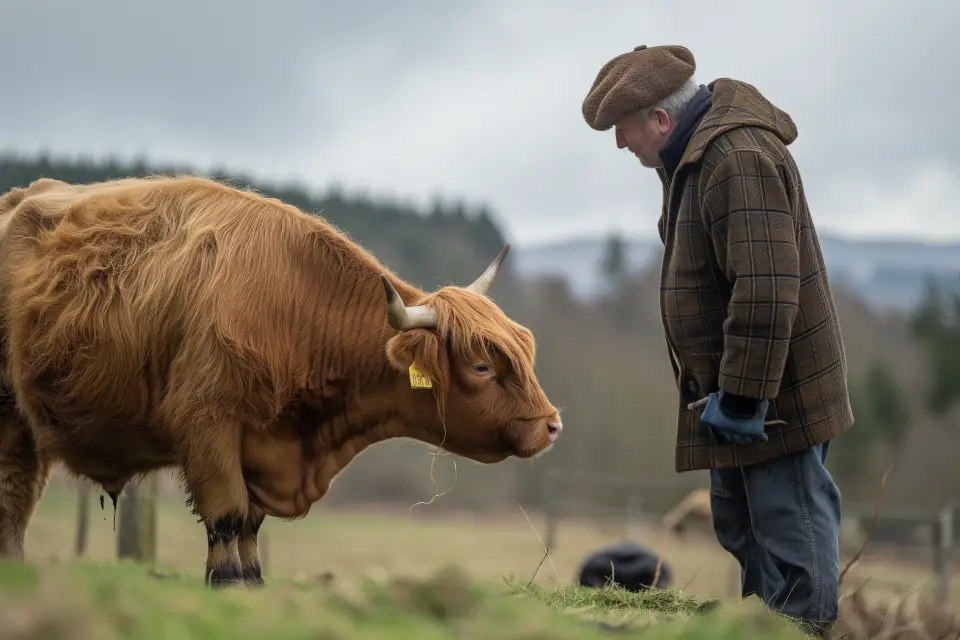
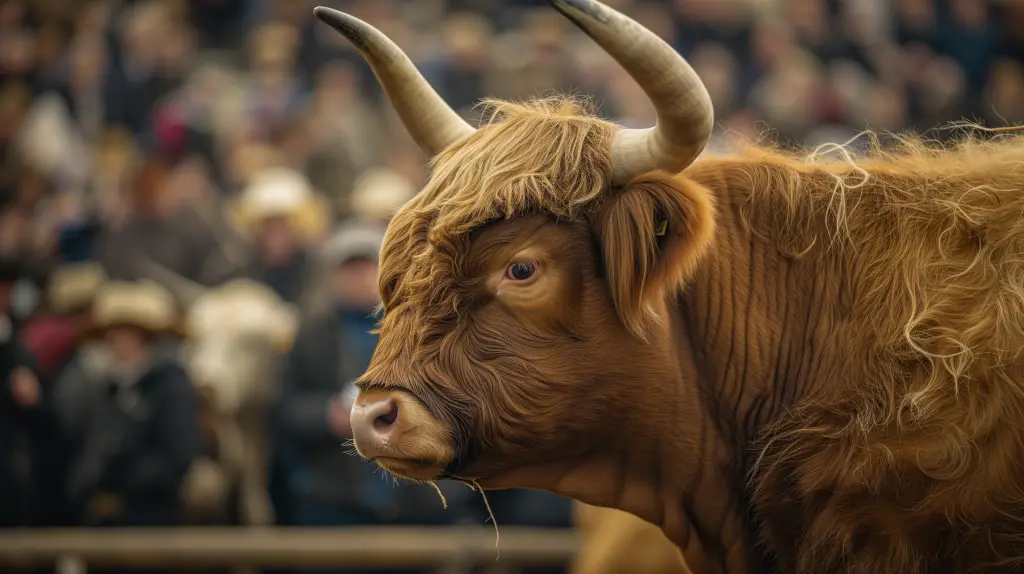
These cattle are also known for their iconic appearance: their long, curved horns and strikingly bushy coats make them an unmistakable sight in any pasture or field. Despite being a relatively small breed, they are majestic and imposing animals, with a regal bearing that has made them a popular choice among cattle enthusiasts and farmers alike.
However, Highland Cattle are more than just a pretty face. Their hardiness, adaptability, and impressive genetic diversity make them a vital part of efforts to conserve cattle breeds worldwide. By preserving the breed’s unique heritage and ensuring their continued survival, we can help to safeguard a piece of history and keep a valuable resource alive for generations to come.
| Characteristic | Description |
|---|---|
| Appearance | Long, shaggy coats and curved, prominent horns |
| Disposition | Gentle, docile, and easily handled |
| Adaptability | Can thrive in extreme climates and challenging landscapes |
| Genetic diversity | One of the most genetically diverse cattle breeds in the world |
Threats to Scottish Highland Cattle Conservation
Scottish Highland Cattle conservation faces several challenges, which pose a significant threat to the breed’s survival.
| Conservation Challenges | Impact on Scottish Highland Cattle |
|---|---|
| Habitat loss | Reduces the cattle’s natural grazing lands and disrupts their migratory patterns. |
| Genetic erosion | Increases the risk of inbreeding and the loss of unique genetic traits that make the breed resilient to harsh environments. |
| Decline in traditional farming practices | Reduces the number of small-scale family farms that raise Scottish Highland Cattle and threatens their genetic diversity, as well as their cultural and historical significance. |
By understanding these challenges, we can take action to address them and preserve this remarkable breed for future generations.
Conservation Efforts for Scottish Highland Cattle
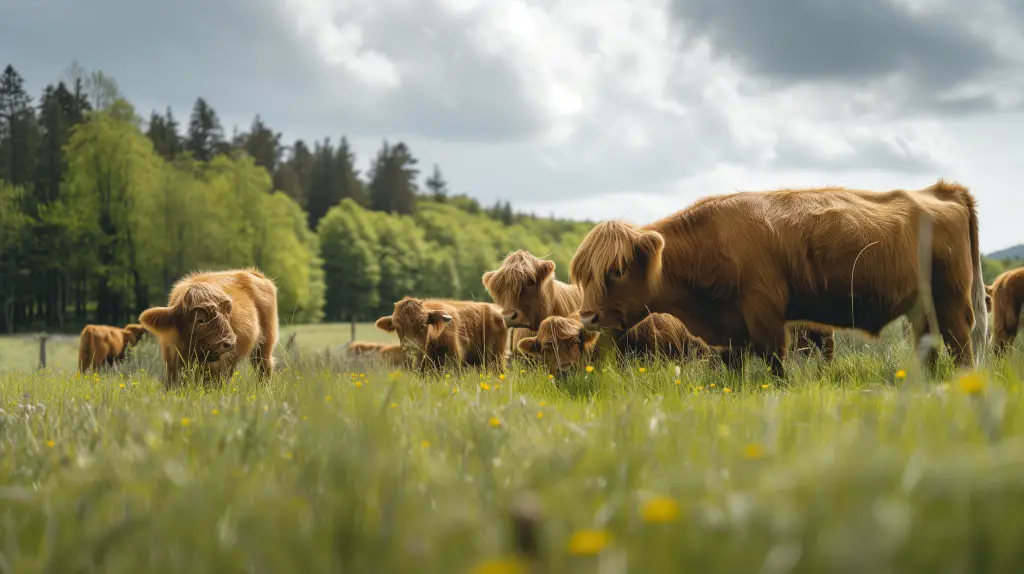
As Scottish Highland Cattle face increasing threats to their survival, various initiatives have been established to conserve this unique breed. One such effort is the establishment of breed registries to maintain accurate records and pedigree information, ensuring genetic diversity and purity. Preservation programs aim to protect the breed’s bloodlines and prevent genetic erosion, while partnerships with farmers and conservation organizations help promote sustainable farming practices and protect the breed’s habitat.
| Initiative | Description |
|---|---|
| Breed Registries | Breed registries are databases that maintain accurate records of pedigrees, DNA, and physical characteristics of individual animals. The goal is to increase genetic diversity and purity, as well as monitor breed progress over time. |
| Preservation Programs | Preservation programs are aimed at protecting the breed’s bloodlines and preventing genetic erosion. Through selective breeding and DNA testing, these programs help maintain the breed’s unique characteristics and ensure its survival for future generations. |
| Partnerships with Farming and Conservation Organizations | Farmers and conservation organizations often partner to promote sustainable farming practices and protect the breed’s natural habitat. These partnerships provide essential support for Scottish Highland Cattle conservation efforts and ensure the breed’s survival in the long-term. |
The continued success of these conservation efforts is crucial in maintaining genetic diversity and protecting the Scottish Highland Cattle breed from extinction. By supporting these initiatives, we can help ensure the continued existence of this magnificent breed for years to come.
The Role of Farmers in Scottish Highland Cattle Conservation
Farmers are crucial to the conservation of Scottish Highland Cattle. Their traditional farming practices support the breed’s well-being and provide an ideal environment for these majestic animals to thrive.
Highland Cattle are bred primarily for their meat, and farmers who raise them follow strict standards to maintain the breed’s distinctive characteristics. Pasture grazing is a key aspect of their diet, which contributes to the flavor and nutrition of their meat. By raising Highland Cattle, farmers also help maintain the breed’s genetic diversity and support sustainable farming practices.
Beyond their economic value, Highland Cattle also play a vital role in conservation efforts. They are uniquely adapted to harsh environments, making them excellent for managing land in more challenging regions. Highland Cattle grazing and habitat management is an important aspect of maintaining biodiversity and healthy ecosystems.
Through their involvement in Scottish Highland Cattle conservation, farmers demonstrate their commitment to preserving this breed for generations to come. Their role is crucial in protecting the future of these remarkable animals and promoting sustainable agriculture practices.
Genetic Diversity and Scottish Highland Cattle Conservation
Scottish Highland Cattle are a breed with unique and valuable characteristics that make them important to conserve. Genetic diversity is a crucial aspect of their conservation, as it contributes to the overall health and resilience of the breed. It allows for adaptation to changing environments and helps prevent the buildup of harmful traits through inbreeding.
Conservation efforts for Scottish Highland Cattle aim to maintain a diverse gene pool through breed registries and preservation programs. These efforts track the genetic lineage of individual cattle and promote selective breeding to maintain a healthy genetic balance.
| Benefits of Maintaining Genetic Diversity | Challenges of Preserving Genetic Diversity |
|---|---|
| – Promotes resilience to diseases and environmental changes – Allows for better adaptation to changing environments – Enhances overall health and longevity of the breed |
– Limited gene pool due to low numbers of purebred cattle – Genetic drift caused by population fragmentation and inbreeding – Difficulty in coordinating breeding efforts across different populations |
Through sustainable breeding practices and increased public awareness of the importance of genetic diversity, we can ensure the long-term survival of Scottish Highland Cattle and preserve their unique genetic heritage for future generations.
Challenges in Breeding Scottish Highland Cattle
Breeding Scottish Highland Cattle is not without its own set of challenges. The breed has unique characteristics, including its rugged appearance and adaptability to harsh environments, that must be preserved in order to maintain the breed’s distinct identity. The challenges farmers and conservationists face in breeding Scottish Highland Cattle include maintaining the breed’s genetic diversity, preventing genetic disorders, and ensuring that traditional farming practices are upheld.
| Challenge | Solution |
|---|---|
| Genetic erosion | Initiatives such as breed registries and preservation programs are in place to maintain genetic diversity. |
| Inbreeding and genetic disorders | Strict breeding guidelines have been established to prevent inbreeding and associated genetic disorders. |
| Maintaining traditional farming practices | Working closely with farmers to ensure they have the resources and support necessary to maintain traditional farming practices that support the well-being of the breed. |
To overcome these challenges, farmers and conservationists have adopted innovative breeding strategies, such as artificial insemination and genomic selection. Additionally, partnerships between farmers and conservation organizations have been formed to support breeding efforts and ensure the long-term success of the breed. Despite these challenges, there is hope for the future of Scottish Highland Cattle. With continued efforts to address these challenges and preserve the breed’s unique characteristics, this majestic breed can continue to thrive for generations to come.
Future Challenges for Scottish Highland Cattle Conservation
As we look to the future of Scottish Highland Cattle conservation, we must address the challenges that lie ahead. Climate change and its impact on available grazing land pose a significant threat to the breed. The shift towards intensive farming practices and increased demand for faster-growing cattle may also put Highland Cattle at risk.
In addition, economic pressures may lead to the loss of traditional farming practices, endangering the breed’s genetic diversity. Proactive measures, such as supporting sustainable farming practices and promoting public awareness, are needed to ensure the survival of the breed in the decades to come.
Scottish Highland Cattle are part of our cultural and agricultural heritage. By taking action now, we can preserve their unique qualities for future generations.
The Importance of Public Awareness and Support
To ensure the survival of Scottish Highland Cattle, public awareness and support are crucial. By understanding the breed’s significance, individuals can play a vital role in conservation efforts. Here are some ways that you can get involved and contribute to the cause:
- Educate yourself and others about the breed and its unique characteristics.
- Engage with conservation organizations and donate to support their efforts.
- Participate in local events and initiatives that promote sustainable farming practices and biodiversity.
- Consider purchasing Highland Cattle products from farms and retailers that prioritize conservation efforts.
Together, we can raise public awareness and build a community dedicated to preserving this iconic breed for future generations.
The Urgency of Scottish Highland Cattle Conservation
As we have seen in this article, Scottish Highland Cattle face numerous challenges in conservation efforts. These challenges include habitat loss, genetic erosion, changing farming practices, and climate change. Without sustained efforts to address these issues, the breed’s future is uncertain.
It is critical that we take action to protect Scottish Highland Cattle and their unique genetic heritage. This requires not only the efforts of conservation organizations and farmers but also public awareness and support. By spreading the word about the importance of conserving this iconic breed, we can ensure that future generations can enjoy these majestic animals and the benefits they bring.
The challenges ahead are significant, but with continued innovation, education, and collaboration, we can overcome them. Every individual can make a difference in the mission to conserve Scottish Highland Cattle. By supporting breed registries, preservation programs, and sustainable farming practices, you can contribute to the efforts to protect this remarkable breed.
The future of Scottish Highland Cattle conservation depends on all of us. Let us join together in the cause and ensure that these animals continue to thrive for generations to come.
SEO Keywords: Scottish Highland Cattle Conservation, Future Challenges
FAQ
What is Scottish Highland Cattle conservation?
Scottish Highland Cattle conservation refers to the efforts aimed at protecting and preserving this unique breed. It involves initiatives such as breed registries, preservation programs, and partnerships with farmers and conservation organizations.
Why is Scottish Highland Cattle conservation important?
Scottish Highland Cattle conservation is important because it helps maintain the breed’s genetic diversity and promotes sustainable farming practices. These cattle have unique characteristics and are well-adapted to harsh environments, making them valuable in maintaining biodiversity.
What are the threats to Scottish Highland Cattle conservation?
Scottish Highland Cattle conservation faces various threats, including habitat loss, genetic erosion, and the decline in traditional farming practices. Understanding these challenges is crucial in developing effective conservation strategies.
What efforts are being made to conserve Scottish Highland Cattle?
Ongoing conservation efforts include establishing breed registries, implementing preservation programs, and forming partnerships with farmers and conservation organizations. These initiatives aim to protect the breed’s genetic heritage and promote sustainable farming practices.
What role do farmers play in Scottish Highland Cattle conservation?
Farmers play a crucial role in Scottish Highland Cattle conservation. They implement traditional farming practices that support the breed’s well-being and contribute to maintaining its genetic diversity. Raising Highland Cattle also provides benefits for farmers and the environment.
Why is genetic diversity important for Scottish Highland Cattle conservation?
Genetic diversity is crucial for the long-term survival of Scottish Highland Cattle. It ensures that the breed has a wide range of genetic traits, making it more adaptable to changing environments and less prone to genetic disorders.
What challenges are involved in breeding Scottish Highland Cattle?
Breeding Scottish Highland Cattle presents challenges such as maintaining the breed’s distinct characteristics and preventing genetic disorders. Farmers and conservationists often employ strategies and innovations to overcome these obstacles and preserve the breed’s integrity.
What are the future challenges for Scottish Highland Cattle conservation?
Scottish Highland Cattle conservation will face future challenges such as climate change, economic pressures, and changing farming practices. Proactive measures will be necessary to combat these challenges and ensure the breed’s survival.
Why is public awareness and support important for Scottish Highland Cattle conservation?
Public awareness and support are crucial for the success of Scottish Highland Cattle conservation. Educating the public about the breed’s significance and engaging individuals in conservation efforts can help raise funds, promote initiatives, and ensure the long-term protection of this iconic breed.