
Scottish Highland Cattle in Agriculture: Economic and Environmental Impact
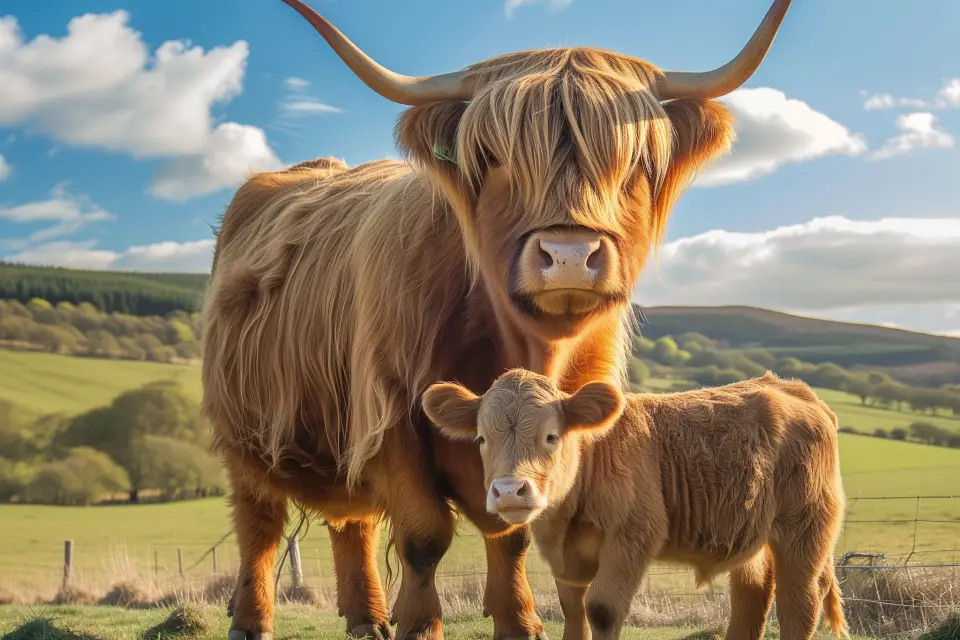
Sustainable farming practices have become increasingly vital as we seek to reduce the environmental impact of agriculture. Scottish Highland Cattle are an excellent example of how livestock can contribute positively to the ecological balance of farming operations while also providing economic benefits. Their hardiness, adaptability, and low-maintenance requirements make them an excellent choice for those seeking to adopt sustainable farming practices.
Key Takeaways
- Scottish Highland Cattle are a valuable breed for sustainable farming practices that prioritize reducing environmental impact.
- Their ability to thrive on natural forage with minimal supplementation makes them an ecologically friendly choice for farmers.
- Scottish Highland Cattle provide high-quality meat, hides, and potential for agritourism, contributing to the profitability of farming enterprises.
- Their grazing practices promote biodiversity, manage vegetation, prevent soil erosion and support native species, enhancing overall ecological balance.
- Challenges in Scottish Highland Cattle agriculture include market demand, climate change, and land management strategies.
The History and Characteristics of Scottish Highland Cattle
Scottish Highland Cattle, also known as Highland Cattle or Kyloe, originate from the Highlands and the Western Isles of Scotland. It is believed that the breed has been present in Scotland since the 6th century.
One of the most distinctive features of Highland Cattle is their long, shaggy hair or “dossan,” which serves as insulation against the harsh Scottish weather. Their hair can be a range of colors, from reddish-brown to black, and their long, curved horns contribute to their imposing appearance.
Highland Cattle are known for their adaptability and thrived in the rugged Scottish terrain where other breeds struggled. They survived on natural forage, such as grass, heather, and other vegetation, with minimal supplemental feed, making them ideal for sustainable farming practices.
| Breed Characteristics: | Description: |
|---|---|
| Physical Appearance: | Large, shaggy hair, curved horns, and a broad, muscular build |
| Adaptability: | Thrives in harsh environments and can survive on natural forage |
| Temperament: | Gentle and docile, with a tendency towards maternal instincts |
| Meat Quality: | The meat is known for its high quality, with a distinctive flavor and leaner fat content |
| Ecological Benefits: | Contributes to sustainable farming practices, including natural vegetation management and soil conservation |
Scottish Highland Cattle have played an important role in Scottish culture and history, and their distinctive features and hardiness have made them a popular breed throughout the world. They continue to be valued for their meat quality, hides, and contributions to sustainable farming practices.
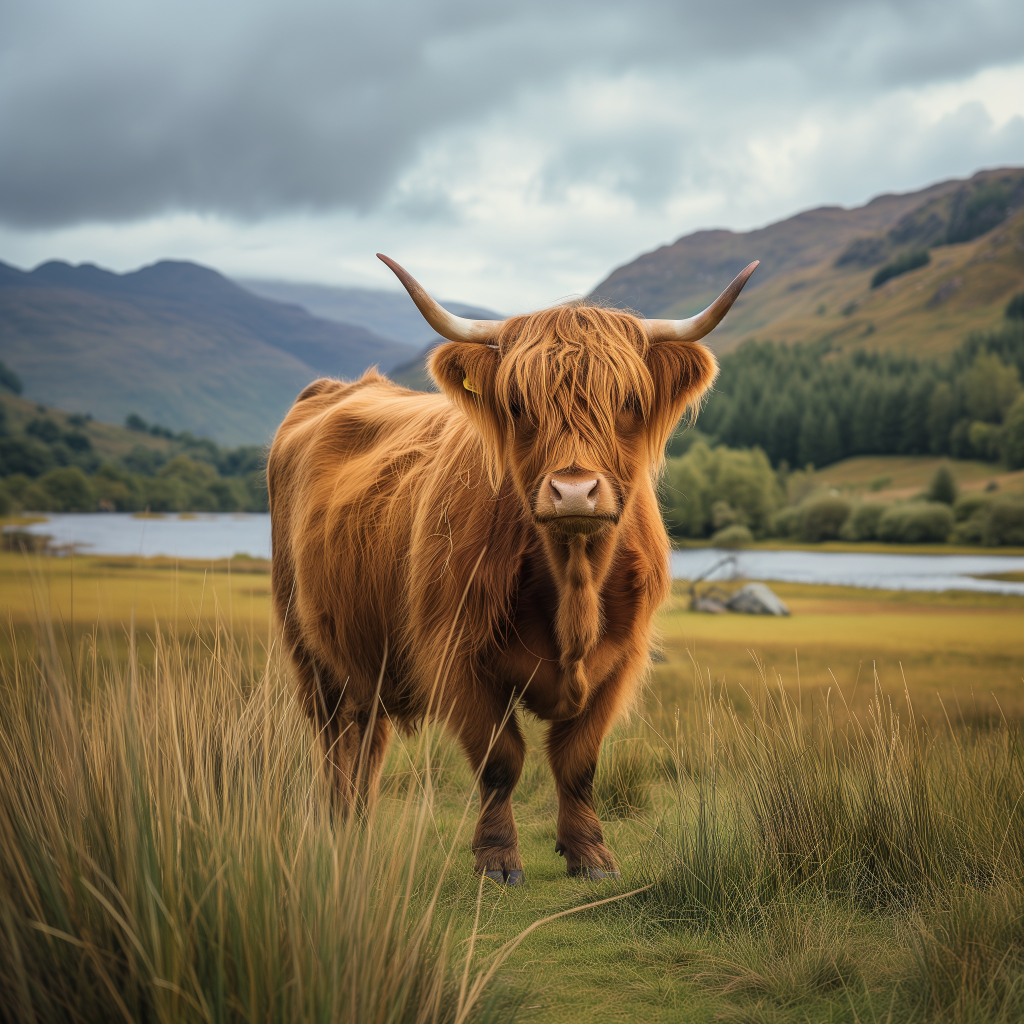
Scottish Highland Cattle in Sustainable Farming
If you’re looking to minimize the environmental impact of your farming operations, look no further than Scottish Highland Cattle. These robust creatures are exceptional at thriving on natural forage, reducing the need for additional feed and cutting the ecological footprint of your farm.
Unlike other cattle breeds, Scottish Highland Cattle have digestive systems that are built to break down complex plant material. This makes them particularly adept at utilizing a wide range of vegetation. Grazing on pasture rather than in feedlots drastically improves the sustainability of farming operations.
In addition to their abilities as grazers, Scottish Highland Cattle can also help mitigate soil erosion. Their hooves till the earth, breaking up compacted soil and improving soil structure. They also don’t trample the land in the same way that heavy machinery can, decreasing the impact on the land.
The Advantages of Scottish Highland Cattle Grazing
| Benefits | Explanation |
|---|---|
| Environmentally friendly | Scottish Highland Cattle require less land than other breeds and are more likely to be raised on small, family-owned farms, reducing the environmental impact of transportation and promoting local, sustainable agriculture. |
| Less need for supplemental feed | Scottish Highland Cattle are better equipped than other breeds to digest more tough and fibrous plants, making them more economical and environmentally stable, requiring less need for additional feed, which adds to the cost and carbon footprint of farming. |
| Better soil health | Their grazing habits improve soil health by breaking down soil that has been compacted, allowing for more water absorption and reduced erosion, reinforcing the land’s longterm sustainability. |
| Lower impact on land | Scottish Highland Cattle grazing provides a gentle impact with their smaller hoof size and grazing habits, keeping the land more sustainable and providing other ecosystem benefits such as attractive vegetation in the surrounding areas. |
Overall, Scottish Highland Cattle are a valuable asset for farmers looking to adopt a sustainable farming practice. They are resilient creatures that can adapt to their environment and can adapt to changing weather patterns, making them better for the long-term health of farm operations while promoting sustainable land management practices.
The Economic Benefits of Scottish Highland Cattle in Agriculture
Scottish Highland Cattle are highly valued for their economic contributions to agriculture. Their meat, which is lean yet flavorful, is a premium product sought after by high-end restaurants and discriminating consumers. The hides from Scottish Highland Cattle are also highly desirable and fetch high prices on the market.
In addition to their meat and hides, Scottish Highland Cattle also have potential for agritourism. Many farms offer tours and experiences centered around these distinctive animals, attracting visitors and generating additional revenue for the farm enterprise.
By incorporating Scottish Highland Cattle into their operations, farmers can increase profitability and diversify their income streams. These economic benefits, combined with their low-maintenance requirements and environmentally sustainable grazing practices, make Scottish Highland Cattle a valuable investment for any agricultural operation.
Environmental Impact of Scottish Highland Cattle Grazing
Scottish Highland Cattle grazing has a significant positive impact on the environment. They are natural grazers that can easily thrive on natural forage, thus reducing the need for supplemental feed. As a result, they contribute to minimizing the ecological footprint of farming.
Their grazing practices help maintain vegetation levels, thereby reducing soil erosion. Furthermore, they support biodiversity in the land by promoting the growth of various plant species and creating habitats for other native animals.
Studies have shown that grazing by Scottish Highland Cattle can lead to greater overall plant diversity, making them valuable for sustainable land management. They also provide an alternative to chemical treatments for vegetation management, further reducing the environmental impact of farming practices.
Incorporating Scottish Highland Cattle into agricultural operations can help maximize their positive impact on the environment while also promoting sustainable farming practices.
Promoting Biodiversity with Scottish Highland Cattle
If you’re looking to promote biodiversity on your farm, Scottish Highland Cattle can be an excellent addition to your livestock. Their grazing practices have a positive influence on plant diversity, habitat creation, and support for native species, making them valuable for sustainable land management.
Scottish Highland Cattle have a particular grazing style that naturally manages vegetation. Their selective grazing habits ensure that they don’t overgraze any one area, which allows for a diverse range of grasses, forbs, and shrubs to thrive. This diverse vegetation, in turn, attracts a wide variety of insects, birds, and other wildlife, promoting a healthy ecosystem.
Additionally, Scottish Highland Cattle excel at creating and maintaining habitats for other species. Their grazing and trampling habits can create small depressions on the ground called “potholes,” which fill with water and become breeding sites for a range of amphibians and insects. They also create microhabitats by disturbing the soil, which provides a favorable growing environment for plants.
If you’re interested in incorporating Scottish Highland Cattle into your land management practices, it’s essential to consider the size of your farming operation. For small-scale operations, integrating them into your existing grazing systems can be relatively easy. However, for larger-scale operations, some adjustments may be necessary to accommodate their specific needs.
Overall, incorporating Scottish Highland Cattle in your agricultural practices can be an effective way to promote biodiversity while benefiting from their meat, hides, and agritourism potential. By utilizing their unique grazing habits, you can help create a sustainable farming environment that supports the overall ecological balance of your land.
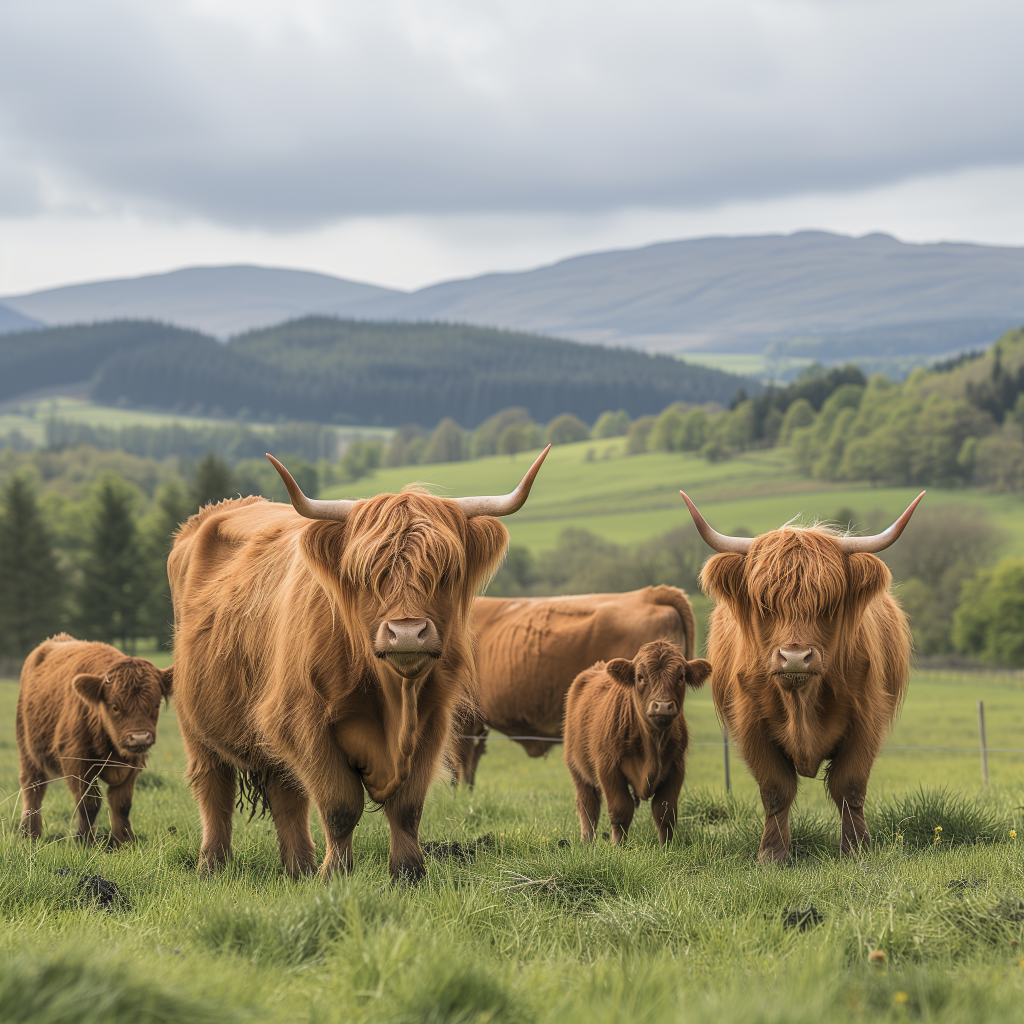
Breeding and Conservation Efforts for Scottish Highland Cattle
Scottish Highland Cattle hold significant historical and cultural value in their native country, making it vital to preserve their genetic diversity. Breeders and conservationists in Scotland and around the world have spearheaded initiatives to keep this ancient breed alive and thriving.
One such project is the Scottish Agricultural Organisation Society (SAOS) Highland Cattle Improvement Scheme, which promotes the best breeding practices to maximize cattle welfare, enhance profitability, and secure the future of the breed. The scheme has invested in research to identify the best lineages, improve animal health, and promote sustainable farming practices.
The Scottish Highland Cattle Society (SHCS) also plays a significant role in breeding and conservation efforts. It provides essential resources and support to breeders, including registering purebred animals, maintaining a herd book, and hosting shows and events to promote the breed.
Conservation efforts for Scottish Highland Cattle also extend beyond breeding. The Highland Cattle Health Scheme is a UK-wide program that promotes cattle health and welfare and provides farmers with incentives to improve standards. The scheme includes protocols for managing diseases, vaccinations, and routine checks to promote animal wellness and increase productivity.
In conclusion, breeding and conservation efforts are essential for maintaining the genetic diversity and cultural significance of Scottish Highland Cattle. Through initiatives such as the SAOS Improvement Scheme and the SHCS, breeders and conservationists are working together to protect this ancient breed for generations to come.
Challenges and Solutions in Scottish Highland Cattle Agriculture
The unique characteristics of Scottish Highland Cattle also present challenges that can impact agricultural operations. One such challenge is market demand, which can fluctuate based on consumer preferences and economic conditions. Climate change is another concern that can affect the sustainability of farming practices, as extreme weather events can impact grazing conditions and water availability. Additionally, land management strategies must be carefully considered to maintain the natural habitats of Scottish Highland Cattle and support biodiversity.
Despite these challenges, there are several potential solutions to ensure the sustainability of Scottish Highland Cattle agriculture. Diversifying product offerings and exploring new markets can help mitigate the effects of consumer demand fluctuations. Implementing climate-resilient farming practices can help mitigate the risks associated with climate change. Land management practices, such as rotational grazing and habitat restoration, can promote biodiversity while maintaining optimal grazing conditions for Scottish Highland Cattle.
Overall, addressing the challenges faced in Scottish Highland Cattle agriculture will require a dynamic approach that balances economic, environmental, and social considerations. By implementing effective solutions, farmers can continue to benefit from the unique characteristics of Scottish Highland Cattle while contributing to sustainable farming practices and a more resilient agricultural industry.
Future Perspectives and Innovations in Scottish Highland Cattle Agriculture
The future of Scottish Highland Cattle Agriculture is bright with a range of emerging technologies and sustainable practices being utilized by farmers across the country. One innovative development is precision agriculture, which uses data-driven insights to optimize planting, fertilization, and harvesting practices. Precision agriculture technology allows farmers to minimize the use of pesticides and reduce water consumption, while simultaneously increasing yields.
Another major trend in Scottish Highland Cattle Agriculture is the integration of renewable energy sources, such as solar panels and wind turbines, onto farms. This eco-friendly approach reduces energy costs and carbon emissions, while also providing a new source of income for farmers.
In addition to implementing new technologies, Scottish Highland Cattle farmers are exploring various sustainable practices such as regenerative agriculture and organic farming. These approaches aim to reduce the impact of farming on the environment and enhance soil health. For example, many Scottish Highland Cattle farmers are utilizing holistic grazing techniques, which mimic the natural movement patterns of wild animals and promote soil fertility and biodiversity.
The future of Scottish Highland Cattle Agriculture also includes an increased focus on marketing and branding of Scottish Highland Cattle products. Farmers are connecting with customers through e-commerce platforms and promoting unique aspects of Scottish Highland Cattle meat, such as its superior flavor profile and high protein content. This allows farmers to differentiate their products and create a more direct relationship with consumers, while also promoting the Scottish Highland Cattle breed.
| Name of Innovation/Practice | Description |
|---|---|
| Precision Agriculture | Data-driven insights to optimize planting, fertilization, and harvesting practices. Minimizes use of pesticides and reduces water consumption, while increasing yields. |
| Renewable Energy Sources | Solar panels and wind turbines integrated onto farms to reduce energy costs and carbon emissions while also providing a new source of income for farmers. |
| Regenerative Agriculture and Organic Farming | Practices such as holistic grazing techniques that promote soil fertility and biodiversity, aiming to reduce the impact of farming on the environment and enhance soil health. |
| Marketing and Branding | Connecting with customers through e-commerce platforms and promoting unique aspects of Scottish Highland cattle meat, allowing farmers to differentiate their products and promote the breed. |
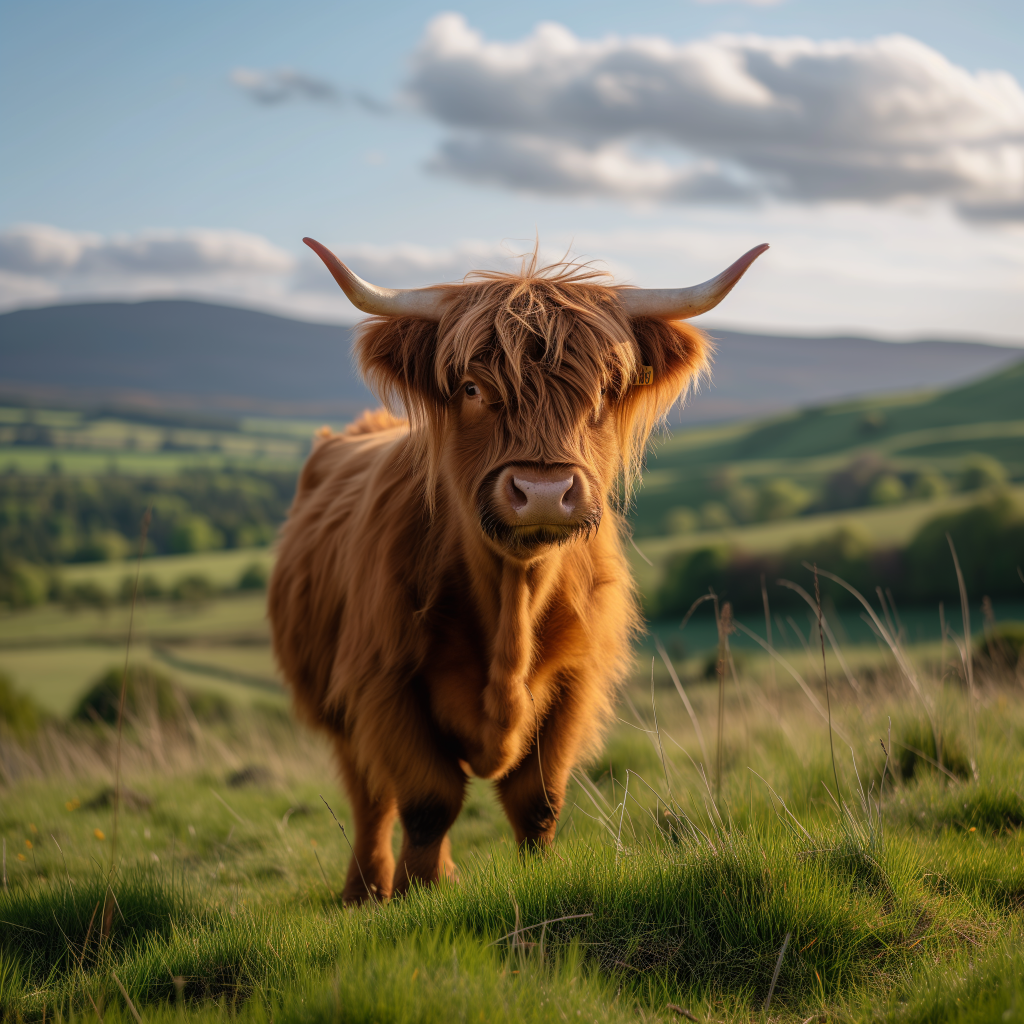
Case Studies: Successful Scottish Highland Cattle Farms
If you’re interested in incorporating Scottish Highland Cattle into your agricultural operations, it can be helpful to learn from the best practices of successful farms. Here are three case studies to inspire you:
Bruynswick Farm
Bruynswick Farm in New Paltz, New York, is a prime example of how sustainable farming practices and Scottish Highland Cattle can go hand in hand. The farm has been in operation since the 1600s, and the current owners are committed to preserving the land and promoting biodiversity. They have a small herd of Scottish Highland Cattle that graze on the hilly terrain, managing the vegetation and preventing soil erosion. The cattle are also used for meat and hide, providing an additional income stream for the farm. Bruynswick Farm is proof that Scottish Highland Cattle can thrive in any environment, as long as they are given proper care and attention.
Blackbrook Farm
Blackbrook Farm in Amherst, Massachusetts, is another successful example of a Scottish Highland Cattle operation. The farm is owned by a couple who left their corporate jobs to pursue a more sustainable, agrarian lifestyle. They have around a dozen Scottish Highland Cattle that graze on the 69-acre property, providing high-quality meat that is sold directly to consumers. The cows are raised on organic, non-GMO feed and are rotated through different pastures to minimize their impact on the land. Blackbrook Farm is an excellent case study in how Scottish Highland Cattle can be successfully integrated into a small-scale, regenerative farming operation.
Thistle Hill Farm
Thistle Hill Farm in Virginia is a larger-scale operation that raises heritage breeds of livestock, including Scottish Highland Cattle. The farm is run by a husband-and-wife team who are passionate about sustainable agriculture and preserving genetic diversity. They have a strong focus on soil health and use a rotational grazing system to ensure that their Scottish Highland Cattle have access to fresh pasture and plenty of exercise. Thistle Hill Farm is an inspiring example of how Scottish Highland Cattle can be used to restore degraded land and promote ecological balance.
Conclusion
In conclusion, Scottish Highland Cattle play a vital role in sustainable farming practices and agriculture. Their ability to thrive on natural forage reduces the need for supplemental feed, contributing to environmental conservation. Additionally, their high-quality meat, sought-after hides, and potential for agritourism provide economic benefits to farming enterprises.
Scottish Highland Cattle grazing practices also support biodiversity and ecological balance, making them valuable for sustainable land management. Through breeding and conservation efforts, the genetic diversity of this species is preserved, ensuring its historical and cultural significance is maintained.
However, challenges such as market demand, climate change, and land management strategies must be addressed to ensure the sustainability of Scottish Highland Cattle agriculture. Nevertheless, emerging technologies, sustainable farming practices, and market trends offer future perspectives and innovations that could shape the industry.
Overall, Scottish Highland Cattle in agriculture provides a more ecologically friendly approach to farming practices. By incorporating these animals into farming operations, you can significantly reduce your ecological footprint while reaping the economic benefits of their products. Consider integrating Scottish Highland Cattle into your farming practices and become a part of the sustainable agricultural movement.
FAQ
What is the economic and environmental impact of Scottish Highland Cattle in agriculture?
Scottish Highland Cattle have a positive economic and environmental impact in agriculture. They contribute to sustainable farming practices and help reduce the ecological footprint of farming operations. They also provide high-quality meat, sought-after hides, and potential for agritourism, contributing to the profitability of farming enterprises.
What are the history and characteristics of Scottish Highland Cattle?
Scottish Highland Cattle have a rich history and distinctive characteristics. They originated in the Scottish Highlands and are known for their long horns, shaggy hair, and adaptability to harsh environments. They have been bred for centuries to endure extreme weather conditions and thrive on natural forage.
How do Scottish Highland Cattle contribute to sustainable farming?
Scottish Highland Cattle play a crucial role in sustainable farming practices. They are well-suited to grazing on natural forage, which minimizes the need for expensive supplemental feed. This reduces the ecological footprint of farming operations by minimizing the use of synthetic fertilizers and chemicals. Their grazing habits also help manage vegetation and support biodiversity, promoting a more balanced ecosystem.
What are the economic benefits of incorporating Scottish Highland Cattle in agriculture?
Incorporating Scottish Highland Cattle in agriculture offers several economic benefits. Their high-quality meat is in demand by consumers who value its tenderness and flavor. Additionally, their hides are sought-after for their durability and unique patterns. Scottish Highland Cattle farming also has the potential for agritourism, attracting visitors who are interested in experiencing rural life and learning about these iconic animals.
How does Scottish Highland Cattle grazing impact the environment?
Scottish Highland Cattle grazing has a positive environmental impact. Their grazing practices help manage vegetation by naturally controlling plant growth and reducing the risk of wildfires. They also mitigate soil erosion by compacting the ground with their hooves, which helps retain moisture and prevent nutrient runoff. Furthermore, their presence supports biodiversity by creating habitats for various species and promoting a healthier ecosystem.
How do Scottish Highland Cattle promote biodiversity?
Scottish Highland Cattle grazing practices promote biodiversity in several ways. Their selective grazing helps control invasive plant species, allowing native plants to thrive. This, in turn, attracts a wider range of insects, birds, and other wildlife that rely on native habitats. Additionally, their grazing patterns create diverse vegetation heights, providing shelter and food sources for different species.
What efforts are being made to conserve Scottish Highland Cattle?
There are ongoing breeding and conservation efforts to preserve Scottish Highland Cattle. Various organizations, including breed societies and conservation groups, work to maintain the genetic diversity of the breed. These efforts aim to ensure the continued viability of Scottish Highland Cattle and their historical and cultural significance.
What are the challenges and solutions in Scottish Highland Cattle agriculture?
Scottish Highland Cattle agriculture faces challenges such as market demand fluctuations, climate change impacts, and land management strategies. To address these challenges, farmers can diversify their product offerings, implement sustainable farming practices, and adapt land management strategies to mitigate the effects of climate change. Collaboration with local communities and educational initiatives can also play a role in overcoming these challenges.
What are the future perspectives and innovations in Scottish Highland Cattle agriculture?
The future of Scottish Highland Cattle agriculture holds promising perspectives and innovations. Emerging technologies, such as precision farming and genetic advancements, can enhance breeding programs and improve productivity. Sustainable farming practices, such as rotational grazing and regenerative agriculture, are expected to gain more prominence, ensuring the long-term viability and sustainability of Scottish Highland Cattle farming.
Are there any successful Scottish Highland Cattle farms that serve as case studies?
Yes, there are numerous successful Scottish Highland Cattle farms that can serve as case studies for aspiring farmers. These farms showcase how Scottish Highland Cattle can be integrated into agricultural operations effectively. They demonstrate best practices in breeding, grazing management, marketing, and agritourism, highlighting the achievements and lessons learned in the industry.