
Caring for Scottish Highland Cattle: Health, Diet, and Maintenance

Scottish Highland cattle are a unique breed that requires specific care and attention. As a responsible caretaker, it’s essential to understand the best practices for maintaining their health, diet, and overall well-being. In this comprehensive guide, we will provide you with essential tips and guidelines to ensure that your Highland cattle receive the best care possible.
Key Takeaways:
- Scottish Highland cattle require specific care and attention.
- It’s essential to understand best practices for maintaining their health, diet, and overall well-being.
- This guide will provide you with essential tips and guidelines to ensure that your Highland cattle receive optimal care.
- Caring for Scottish Highland cattle involves a holistic approach that encompasses health, diet, maintenance, and overall well-being.
- Breed health management, adequate nutrition, and proper shelter are crucial elements to the care of Highland cattle.
Understanding Scottish Highland Cattle: Characteristics and Temperament
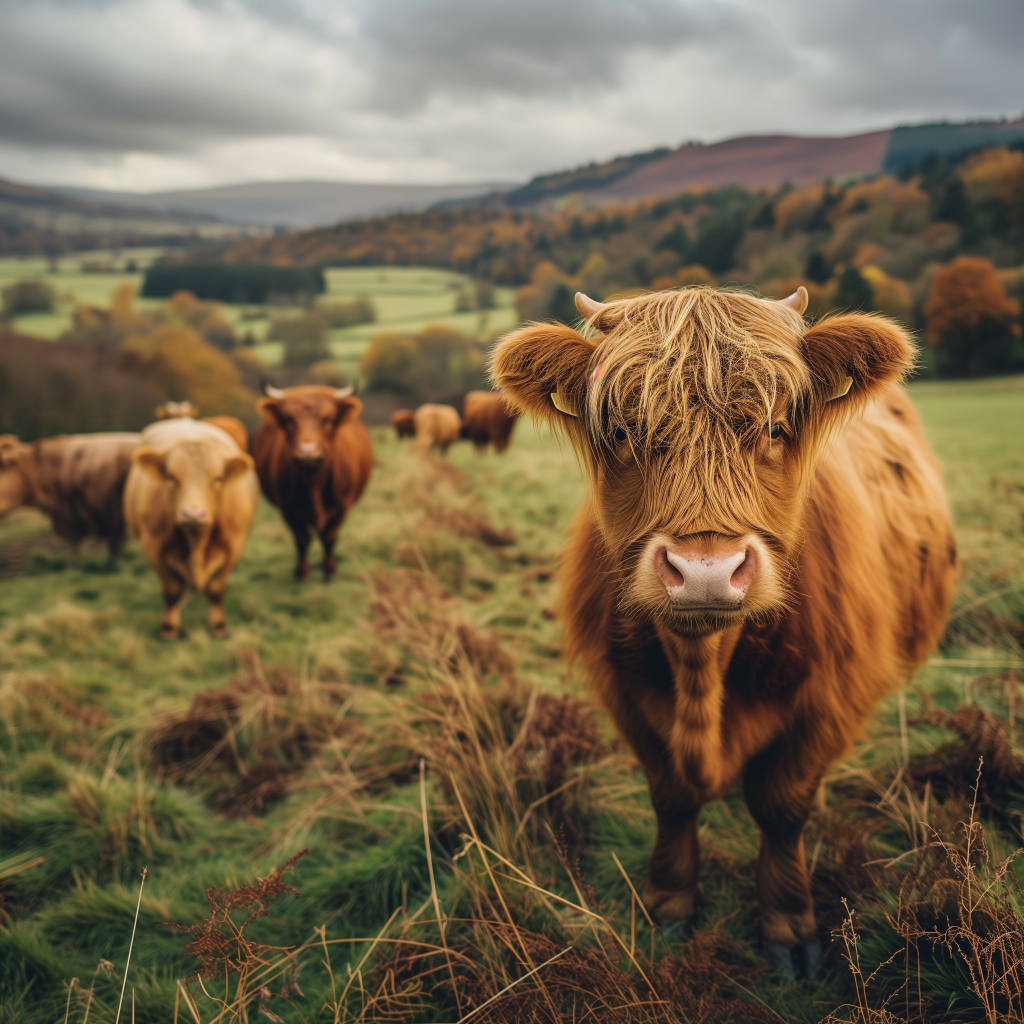
Scottish Highland Cattle are known for their distinctive appearance, with long, shaggy hair and curved horns. They are a hardy breed that can thrive in harsh climates, thanks to their heavy coat that helps regulate body temperature.
In addition to their physical attributes, these cattle have a gentle disposition that makes them easy to handle. They are known for their calm temperament and curious nature, making them a popular choice for hobby farmers and ranchers alike.
| Characteristic | Description |
|---|---|
| Coat | Long, shaggy hair that varies in color from black to red to blonde |
| Horns | Curved horns that can grow up to three feet in length |
| Hardiness | Ability to thrive in harsh climates and withstand extreme temperatures |
| Temperament | Gentle disposition and calm temperament, making them easy to handle |
Due to their unique characteristics and hardy nature, Scottish Highland Cattle are well-suited for a variety of environments. Whether you are raising them for meat, dairy, or simply as a pet, these cattle make an excellent addition to any farm or ranch.
Providing a Suitable Living Environment for Highland Cattle
When it comes to Highland cattle, providing a suitable living environment is essential for their overall well-being. These rugged animals are adapted to harsh environments, but still require proper care and management to ensure they’re healthy, comfortable, and safe. Here are some key factors to consider when creating a suitable habitat for your Highland cattle:
Spacious Grazing Areas
Highland cattle are natural grazers and require ample space to roam and forage. Providing adequate grazing areas is important for their health, as it allows them to eat a variety of plants and get the exercise they need.
When planning grazing areas, consider the size of your herd, the type and quality of vegetation, and the terrain. Avoid overgrazing by rotating pastures, and make sure to provide fresh water at all times.
Adequate Shelter
Although Highland cattle are hardy animals, they still require adequate shelter from harsh weather conditions such as rain, snow, and wind. Shelter also provides shade during hot weather and protects them from insect bites and other hazards.
When choosing a shelter, make sure it’s large enough to accommodate your entire herd and sturdy enough to withstand strong winds and heavy snowfall. Keep the shelter clean and dry, and provide fresh bedding to keep your cattle comfortable.
Proper Fencing
Highland cattle are strong and can be quite stubborn, so sturdy fencing is crucial to keep them contained and safe. Choose fencing that’s at least 5 feet high, with strong posts and sturdy wire mesh or electric wire.
Check the fencing regularly for any signs of damage or wear, and repair any issues promptly. Fencing should be checked at least once a year or more frequently if needed.
Managing the Health of Scottish Highland Cattle
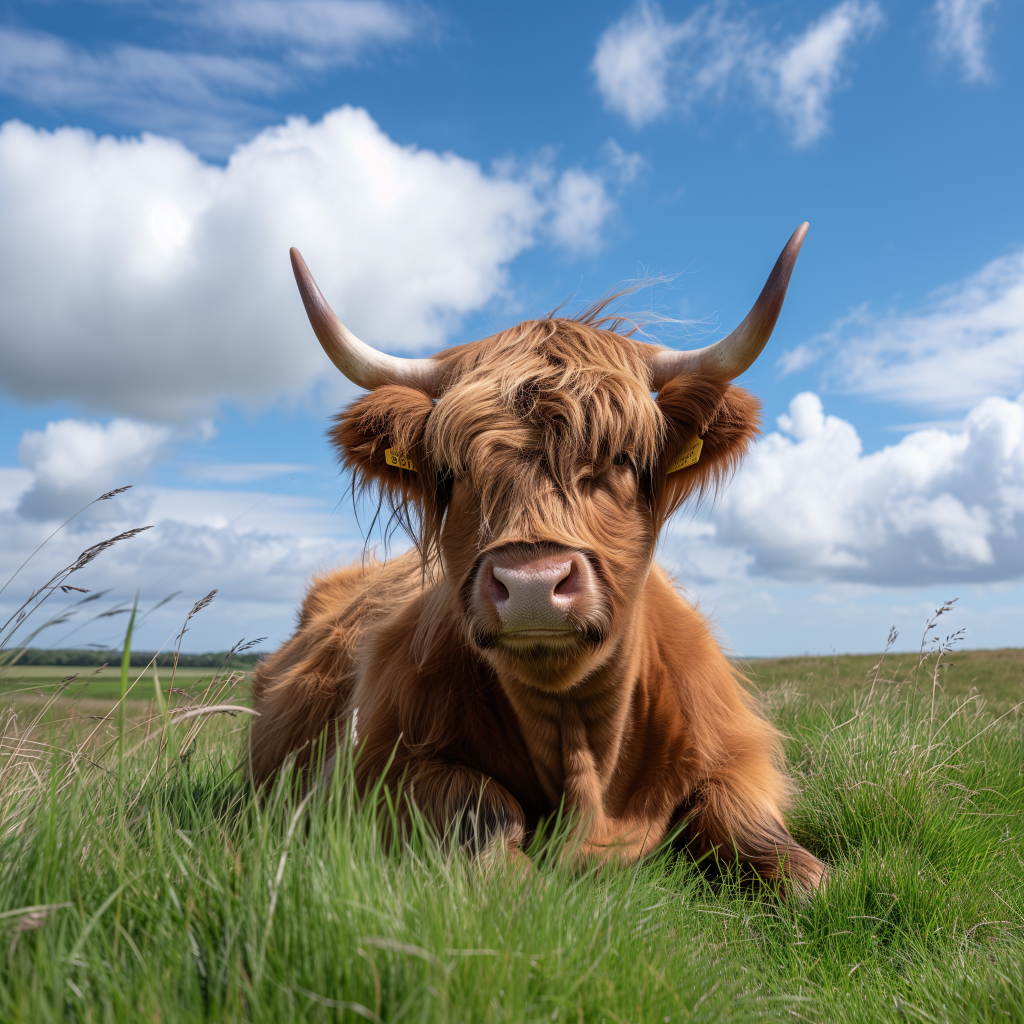
Highland cattle are known for their hardiness, but caring for their health is still a top priority. Regular veterinary checks can help identify and treat any issues before they become more serious.
Routine Veterinary Care
It’s essential to have a good working relationship with your veterinarian to ensure the health of your Highland cattle. Regular check-ups should include examinations of teeth, hooves, and body condition, as well as testing for common diseases and parasites.
Vaccinations
Vaccinations are crucial for preventing and managing common illnesses in Highland cattle. These include vaccinations against clostridial diseases, bovine viral diarrhea virus, and infectious bovine rhinotracheitis, among others. Be sure to follow your veterinarian’s recommended vaccination schedule.
Deworming
Internal parasites, including worms, can cause significant health problems in Highland cattle. A regular deworming program should be implemented to prevent infestations. Your veterinarian can help create an appropriate schedule based on your location, herd size, and other factors.
Preventive Measures
Beyond routine veterinary care, there are also preventive measures that can help keep your Highland cattle healthy. This includes providing a clean, well-ventilated living environment, promoting good nutrition, and ensuring proper sanitation practices.
| Common Health Issues in Highland Cattle | Symptoms | Treatment |
|---|---|---|
| Bloat | Distended abdomen, difficulty breathing, restlessness, lack of appetite | Immediate veterinary attention, including administration of anti-bloat medication and possibly a stomach tube or surgery. |
| Lameness | Limping, reluctance to move | Depends on the cause of the lameness, but may involve rest, antibiotics, or surgery in severe cases. |
| Pinkeye | Swollen and reddened eye, tearing, sensitivity to light | Treatment may include antibiotics, steroids, and eye patches, as well as preventive measures such as minimizing dust and controlling flies. |
By being attentive to the health of your Highland cattle, you can prevent many common illnesses and ensure the long-term well-being of your herd.
Feeding Scottish Highland Cattle: A Balanced Diet
Scottish Highland Cattle are hardy animals, but their overall well-being heavily relies on consuming a balanced diet. Their diet should consist primarily of grass, which contributes to their characteristic marbling and flavor in beef. It’s important to ensure that they have access to plenty of fresh grass during grazing season. In the winter months, supplementing their diet with hay is recommended.
When it comes to supplemental feeding, it’s important to keep a balance. Too much grain can cause health problems, while too little can stunt their growth. Providing them with protein-packed meals, such as soybean meal, can promote healthy muscle development in young Highland cattle.
| Food Type | Amount per day |
|---|---|
| Grass | 6-15 pounds per 100 lb of body weight, depending on the time of year |
| Hay | 2.5% of body weight, equivalent to 25 pounds for a 1,000-pound cow |
| Soybean meal | 1 pound to 2 pounds per day, depending on body weight and growth stage |
It’s also important to ensure sufficient intake of minerals and vitamins. Providing a mineral block or supplement can fulfill their needs, and they should always have access to clean water. A balanced diet and proper nutrition can lead to healthier, happier Highland cattle.
Grooming and Maintaining Highland Cattle
Scottish Highland Cattle are known for their long hair and distinctive coats, requiring regular grooming and maintenance. This isn’t just for their appearance, but also for their comfort and overall health. Here are some tips on how to groom and maintain your Highland cattle:
- Brushing: Highland cattle have thick hair that can become matted and uncomfortable. Regular brushing with a stiff-bristled brush can keep their hair clean and healthy.
- Hoof Care: Proper hoof care is essential for the cattle’s overall health. Check their hooves regularly and trim them if necessary.
- Dusting: dusting and spraying your cattle prevents parasite outbreaks and removes debris from their coat and skin, ensuring they’re free from irritation and discomfort.
Additionally, you will need some high-quality cattle grooming tools such as detanglers, scissors, and combs to keep their hair in check. The tools must be well-maintained and free from rust for better grooming results.
Breeding and Reproduction of Scottish Highland Cattle
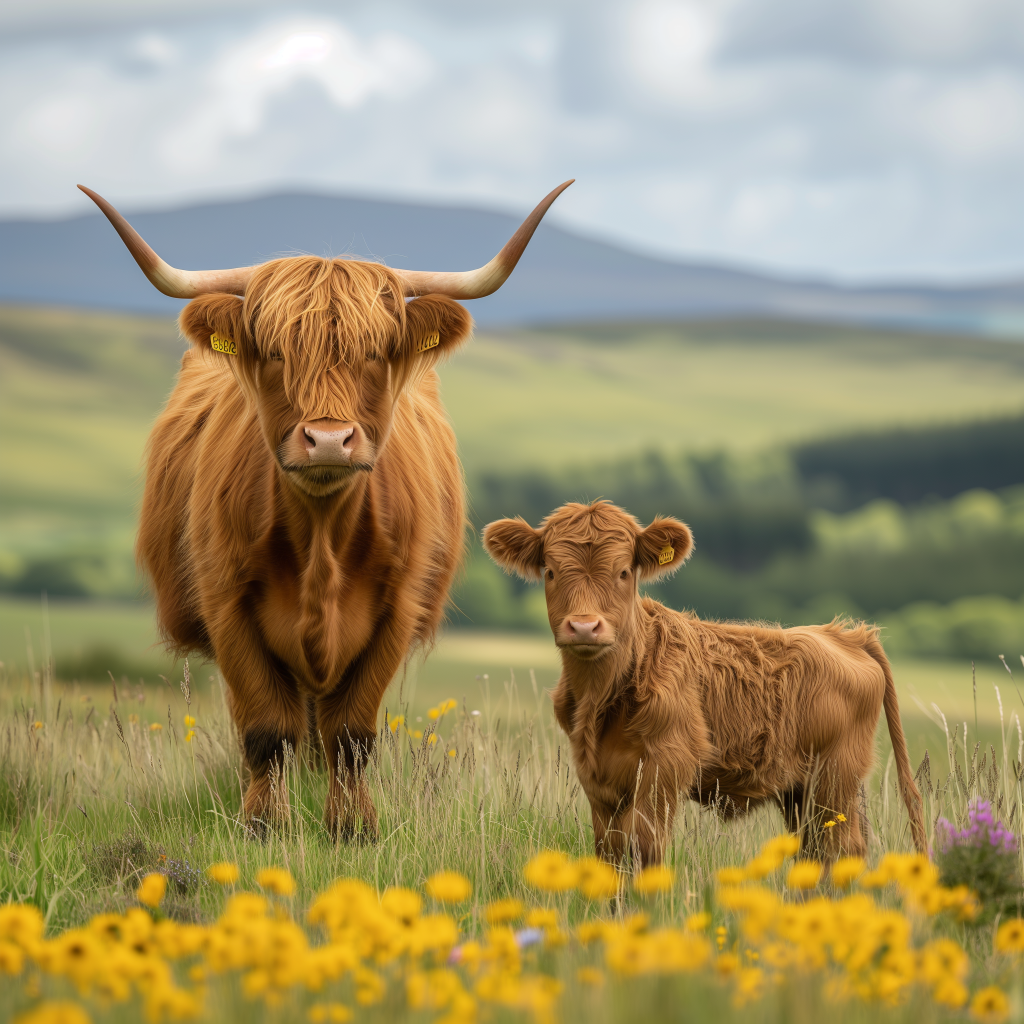
Breeding and reproduction are critical components of Highland cattle farming. As a breeder, you need to be aware of the breeding process and ensure that your cattle undergo successful reproduction. Calving, in particular, can be a daunting task, but it is also a joyous event. Here are some key considerations to keep in mind when breeding and reproducing Scottish Highland cattle:
Breeding considerations
Breeding Highland cattle is best done through natural mating rather than artificial insemination. The breeding season typically lasts from April to September, and cows are usually mated every year. A ratio of one bull to up to 25 cows is recommended to ensure a successful breeding program. Additionally, it’s advisable to monitor the age and lineage of bulls to avoid inbreeding and ensure healthy offspring.
Calving management
Calving is a critical time where careful management is required to ensure the safety and health of both the cow and calf. It’s essential to provide the cow with a comfortable and clean area to calve, away from other cattle. A close watch should also be kept on the cow’s progress and the identification of any problems. It’s worth noting that Highland cows usually calve without intervention, but a veterinarian should be on standby in case of complications.
Best practices for successful reproduction
To ensure successful reproduction, it’s essential to provide a suitable living environment, a balanced diet, and routine veterinary care for your Highland cattle. Additionally, you should conduct regular reproductive check-ups to monitor the breeding of your animals and identify any issues that need to be addressed. Finally, it’s recommended to conduct genetic testing of your herd to ensure healthy breeding and avoid any hereditary diseases.
Keeping these tips in mind when breeding and reproducing your Scottish Highland cattle can help you build a successful and healthy herd.
Managing Highland Cattle Behavior and Handling
As natural grazers, Highland cattle can be relatively docile. However, it’s still essential to handle them with care to ensure their safety and comfort.
Training Highland cattle to acclimate to handling can make management much easier. Consider implementing the following strategies:
- Start training at a young age to help them grow accustomed to human contact.
- Use positive reinforcement, such as treats or praise, to reward calm and cooperative behavior.
- Never approach Highland cattle from behind or in their blind spot. Instead, approach them slowly from the front.
- Utilize a handling facility or chute system to reduce stress during routine procedures, such as vaccinations or hoof trimming.
- Minimize noise and sudden movements that may startle the cattle.
Overall, by taking a patient and respectful approach, Highland cattle can be managed safely and effectively, improving their welfare and productivity.
Highland Cattle and Environmental Sustainability
Highland cattle are not only adorable animals, but they are also environmentally sustainable. Their ability to graze on rugged terrain, eat a wide variety of plants, and forage for food makes them an excellent choice for sustainable agricultural practices.
Eco-friendly cattle farming practices are essential to counteract the negative impact of traditional farming methods on the environment. Highland cattle are a great example of sustainable livestock farming, and here’s why:
Land Preservation
Highland cattle are hardy animals that can thrive in rugged terrains where other cattle cannot survive. This unique adaptation helps preserve the biodiversity of lands that cannot support conventional agriculture. By raising Highland cattle in these areas, farmers can preserve the landscape and prevent soil erosion.
Reduced Carbon Footprint
Highland cattle forage for much of their food, minimizing the carbon footprint associated with the production and transportation of feed. Highland cattle can also graze on a variety of plants, reducing the need for pesticides and herbicides traditionally used in commercial farming.
Organic Farming
Highland cattle breeding is often done naturally, avoiding the use of growth hormones and antibiotics. This means they can be raised organically and sold as organic beef, meeting the growing demand for organic and non-GMO food products.
| Benefits of Raising Highland Cattle for Sustainable Agriculture |
|---|
| Highland cattle can graze on rugged terrain, preserving biodiversity |
| They forage for food, minimizing the carbon footprint associated with commercial farming |
| Natural breeding allows for organic farming practices and production of organic beef |
| Their long hair provides an excellent source of natural insulation, reducing the need for additional heating in barns and shelters |
In conclusion, raising Highland cattle is an excellent choice for both farmers and the environment. These hardy animals can thrive in harsh environments while contributing to more sustainable agricultural practices.
Conclusion
Caring for Scottish Highland Cattle is a rewarding and fulfilling experience that requires a comprehensive approach to their health, diet, maintenance, and overall well-being. By following the tips and guidelines provided in this guide, you can ensure that your Highland cattle receive the proper care they need to thrive.
Remember to provide your cattle with a suitable living environment, manage their health through routine veterinary checks, and provide a balanced diet that meets their nutritional requirements. Additionally, practice regular grooming and maintenance to ensure their comfort and appearance.
Understanding the unique characteristics and temperament of Highland cattle can help you create a peaceful and safe environment for both them and their caretakers. Proper behavior management and handling techniques are important for maintaining their welfare and minimizing stress.
Finally, raising Highland cattle can also contribute to sustainable agricultural practices by their ability to thrive in diverse environments, including land preservation and biodiversity.
Overall, caring for Scottish Highland Cattle is a responsibility that requires dedication and commitment, but ultimately leads to a rewarding experience for both you and your cattle.
FAQ
How often should I schedule veterinary checks for my Highland cattle?
It is recommended to schedule veterinary checks at least once a year to ensure the overall health and well-being of your Highland cattle. Regular check-ups enable early detection of any potential health issues and allow for timely intervention.
What vaccinations are necessary for Highland cattle?
Highland cattle should receive vaccinations against common diseases such as clostridial diseases (including tetanus), bovine viral diarrhea (BVD), infectious bovine rhinotracheitis (IBR), and leptospirosis. Consult with your veterinarian to determine the appropriate vaccination schedule for your cattle.
How often should I deworm my Highland cattle?
Deworming should be done regularly, typically every 3 to 4 months, to control internal parasites in Highland cattle. Consult with your veterinarian to develop a deworming program based on the specific needs of your cattle and the local parasite prevalence.
What should be included in the diet of Highland cattle?
The diet of Highland cattle should primarily consist of high-quality forage, such as grass, hay, and silage. They are excellent grazers and benefit from access to fresh pasture. Additionally, providing mineral supplementation and ensuring a balanced nutritional profile is important for their overall health.
How should I groom the long hair and distinctive coats of Highland cattle?
Regular brushing with a stiff-bristled brush or comb can help remove dirt, debris, and tangles from the hair coat of Highland cattle. Proper hoof care, including trimming, should also be performed routinely. Be gentle when handling their long hair and take care not to cause unnecessary stress or discomfort.
What are some important considerations for Highland cattle breeding?
When breeding Highland cattle, it is important to select suitable bulls and cows with desirable traits and genetic characteristics. Monitoring the health and reproductive cycle of the cows, providing proper nutrition, and ensuring optimal breeding conditions are crucial for successful reproduction.
How can I minimize stress when handling Highland cattle?
Minimizing stress when handling Highland cattle can be achieved by using low-stress handling techniques, allowing them to move at their own pace, and providing a calm and quiet environment. Regular training and socialization can also help familiarize them with handling procedures and minimize anxiety.
How do Highland cattle contribute to environmental sustainability?
Highland cattle have a low impact on the environment as they are well-adapted to graze on a variety of vegetation, including coarse plants. Their grazing habits can help promote land preservation, reduce the need for chemical inputs, and contribute to the biodiversity in grazing areas.